
What is CRM? Understanding the Functions of Customer Relationship Management for Business
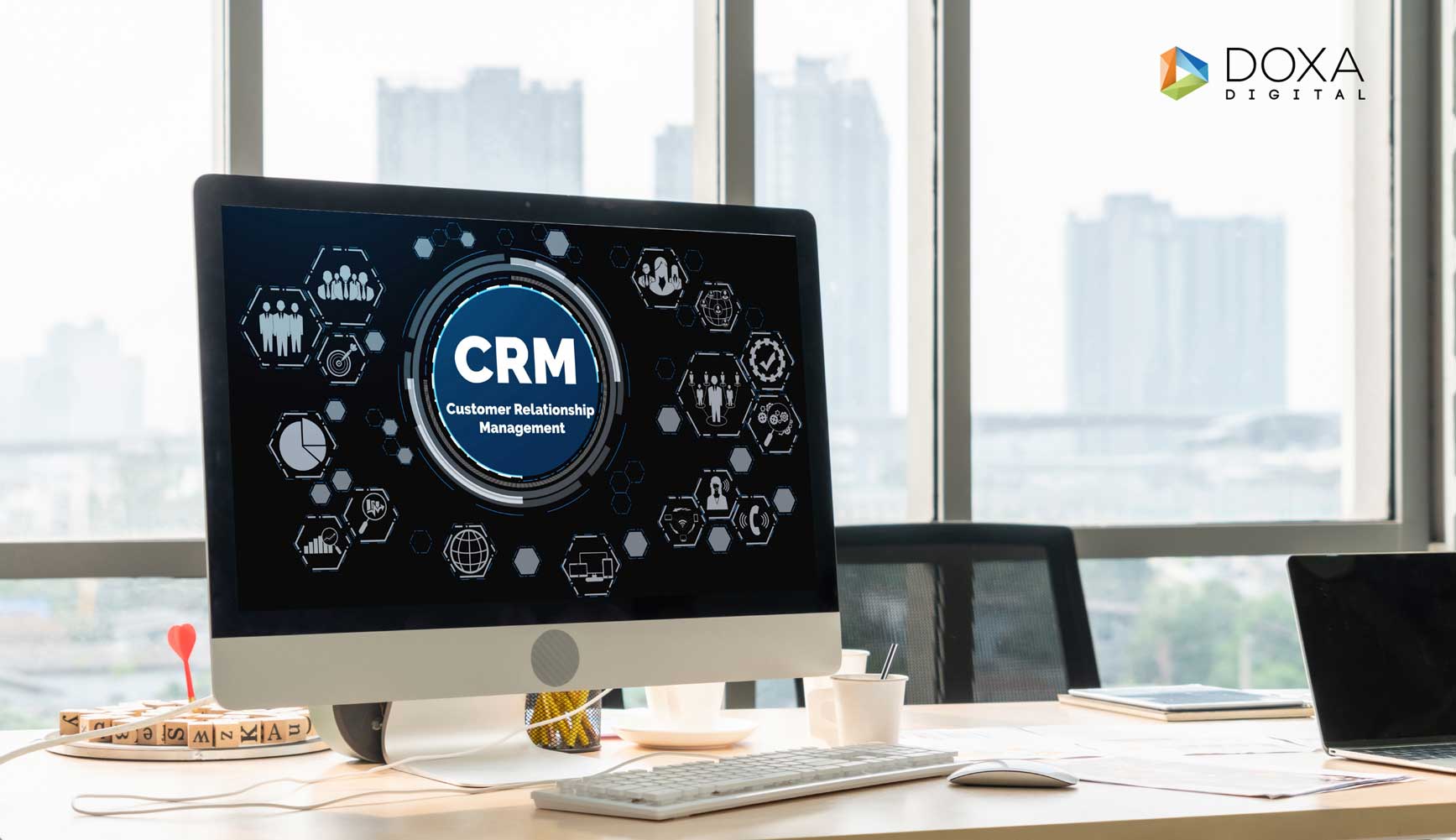
In the modern business world, understanding what CRM is has become crucial for companies looking to build stronger and more sustainable customer relationships.
CRM stands for Customer Relationship Management, a system used by companies to manage interactions with customers, store customer data, and analyze customer behavior to improve the overall customer experience.
Through a CRM system, companies can store various customer information in one integrated platform, ranging from transaction history and sales activities to communications between the company’s team and the customer.
By using CRM software, businesses can more easily understand customer needs, increase customer satisfaction, and strengthen customer loyalty in the long term.
Read Also:Digital Marketing Strategy 2026: AI Era, Social Commerce, and Zero Click
Customer Relationship Management in the Business World
Customer Relationship Management is a strategy and system designed to help companies manage customer relationships more effectively.
In practice, a customer relationship management system usually comes in the form of a CRM application or cloud-based CRM software that can be accessed by the sales, marketing, and customer service teams.
A CRM platform helps businesses to:
-
Store and manage customer data.
-
Track sales activities.
-
Manage prospects and the sales pipeline.
-
Analyze customer behavior.
-
Improve the customer experience.
With this system, companies can more easily make decisions based on highly accurate customer data.
The Benefits of CRM for Business
Using CRM in business provides many benefits for companies wanting to improve operational efficiency and strengthen relationships with their customers.
1. Managing Customer Data More Efficiently A CRM system helps companies store and manage customer data in a single platform so that customer information can be easily accessed by the sales and marketing teams. With this system, companies can view transaction history, customer interactions, and customer needs in a much more structured way.
2. Improving Customer Relationships CRM helps businesses understand customer needs and preferences, allowing the company to provide more personalized customer service. With more precise communication, companies can dramatically increase customer satisfaction and loyalty.
3. Helping the Sales Team Manage the Pipeline CRM makes it easy for the sales team to track prospects, manage the sales pipeline, and monitor sales activities. This helps the company increase sales conversions and speed up the entire sales process.
4. Analyzing Customer Data One of the main functions of CRM is to analyze customer data to understand customer behavior and predict future customer needs. With this data analysis, companies can develop much more effective business strategies.
5. Automating Business Processes Many CRM software options provide task automation features, such as sending emails, setting sales activity reminders, and tracking customer communications. This automation helps significantly improve business operational efficiency.
Who Needs a CRM System?
Actually, almost all companies that have customers can utilize a CRM system to improve customer relationships. Some business sectors that frequently use CRM include:
-
Sales Companies: Sales teams use CRM to manage prospects, pipelines, and sales activities so the sales process becomes highly structured.
-
Digital Marketing Companies: Digital marketing companies use CRM platforms to manage customer databases, track marketing campaigns, and deeply understand customer behavior.
-
Customer Service: CRM helps customer service teams track the history of customer interactions so customer issues can be handled much faster.
-
Finance and Insurance Industries: Financial companies use CRM to manage relationships with clients, store customer information securely, and improve service quality.
Key Features in a CRM Application
Most CRM applications have several main features designed to assist with daily business operations:
-
Contact Management: This feature allows companies to store and manage customer data such as names, emails, phone numbers, and other vital customer information.
-
Lead and Pipeline Management: CRM helps the sales team manage prospects, the sales pipeline, and business opportunities.
-
Sales Activity Management: Companies can track sales activities like phone calls, emails, and meetings with customers.
-
Customer Data Analysis: CRM provides comprehensive reports that help companies analyze customer data and behavior.
-
Integration with Other Platforms: Many cloud-based CRMs can integrate seamlessly with various platforms such as email marketing, social media, accounting systems, and digital marketing tools. This integration helps companies run their business operations much more efficiently.
Examples of CRMs Used by Companies
Today, there are various CRM software options used by companies worldwide. Some popular CRM examples include:
-
Salesforce
-
HubSpot CRM
-
Zoho CRM
-
Microsoft Dynamics CRM
These CRM platforms help businesses manage customer relationships, increase sales conversions, and strengthen overall business strategies.
FAQs About CRM
What is CRM? CRM stands for Customer Relationship Management, which is a system used by companies to manage customer relationships, store customer data, and analyze customer interactions.
What is the main function of CRM in business? The main function of CRM is to help companies manage customer data, improve customer relationships, and increase the efficiency of sales and marketing processes.
What are the benefits of CRM for companies? Some benefits of CRM include increasing customer satisfaction, managing customer data more effectively, increasing sales conversions, and helping analyze customer behavior.
What are examples of CRM applications? Popular CRM applications include Salesforce, HubSpot CRM, Zoho CRM, and Microsoft Dynamics CRM.
Is CRM suitable for small businesses? Yes. Today, there are many cloud-based CRMs specifically designed for small businesses up to large enterprises, helping to perfectly scale and improve business operational efficiency.
Doxadigital: Integrated Campaign Agency in Jakarta
In the modern business world, the use of CRM is often combined with digital marketing strategies and campaign marketing to dramatically increase sales effectiveness.
Doxadigital is an Integrated Campaign Agency in Jakarta that helps businesses run integrated digital marketing strategies, ranging from digital campaigns and SEO optimization to Google Ads.
With customer data-driven marketing strategies and digital technology integration, businesses can increase conversions, customer retention, and the overall customer experience.
Consult your professional Google Ads Advertising Services needs for your business marketing right now with the Doxadigital team.

I am an experienced SEO Specialist who focuses on search engine optimization to improve website visibility and performance. With expertise in data analysis, keyword strategy, and content development, Masykur helps businesses achieve top rankings in search results.
Latest Articles


